11 August 2026
Hickory vs Maple Drumsticks: Which Should You Pick?
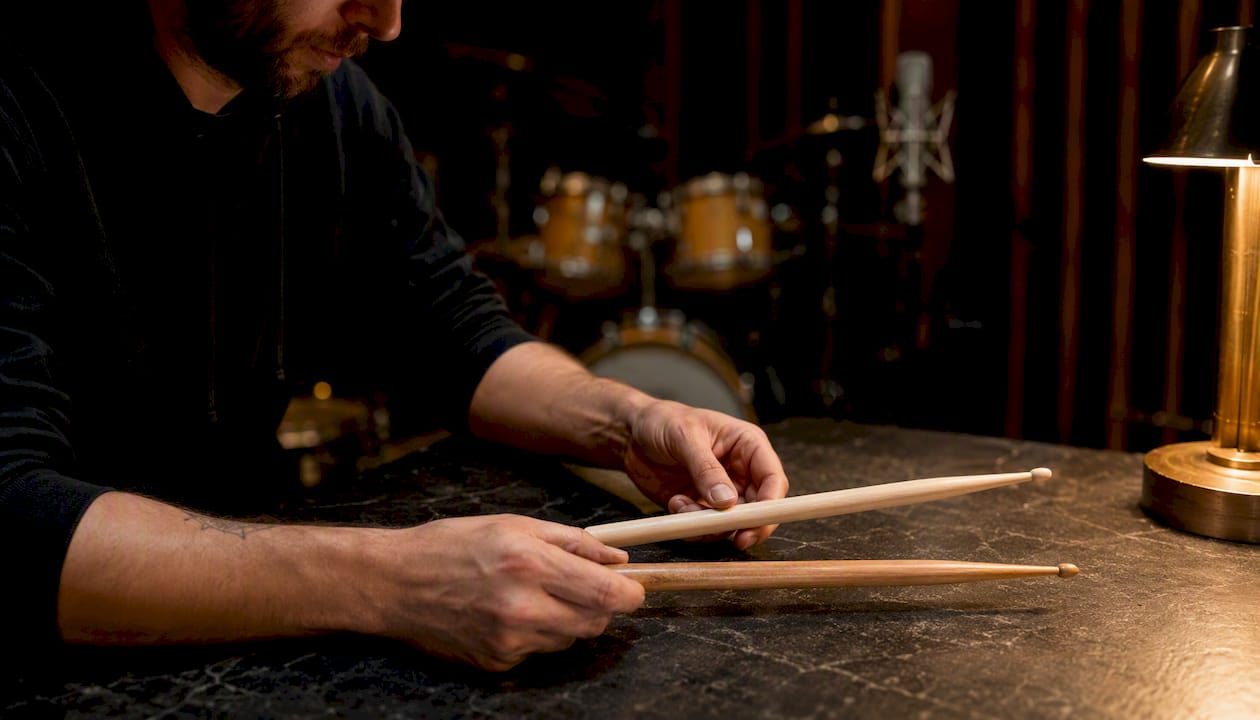
Hickory vs Maple Drumsticks: Which Should You Pick?
For most drummers, hickory is the safest all-around choice. It absorbs shock well, lasts longer under mixed technique, and works across nearly every genre. Maple is roughly 10% lighter than hickory, which makes it the better call when speed, low volume, or cymbal clarity are the priority.
Quick picks by player type:
- Beginners: Hickory. The shock absorption reduces hand fatigue while you’re still building technique.
- Jazz and acoustic players: Maple. Lighter feel, airier cymbal wash, better suited to low-volume settings.
- Rock, pop, and heavy hitters: Hickory. Fuller rebound, more durability, handles hard rimshots without splintering as fast.
The decisive dimensions come down to three things: weight (maple is lighter), durability (hickory lasts longer under hard playing), and sound (maple gives brighter cymbal articulation; hickory delivers a warmer, fuller attack). Templeofsound stocks both woods across the most common sizes so you can compare them directly before committing.
Key Takeaways
Hickory is the most versatile drumstick wood for most players; maple is the better choice when speed, low volume, or cymbal clarity matter most.
| Point | Details |
|---|---|
| Weight difference | Maple is approximately 10% lighter than hickory, which changes feel and fatigue over a long set. |
| Durability | Hickory outlasts maple under hard playing; maple snaps cleanly while hickory splinters gradually. |
| Sound character | Maple gives brighter cymbal articulation; hickory delivers a warmer, fuller attack on drums and cymbals. |
| Genre fit | Use hickory for rock, pop, and funk; use maple for jazz, studio work, and low-volume acoustic settings. |
| Templeofsound | Stocks hickory and maple sticks in 5A, 5B, and 7A sizes for direct comparison before you commit. |
Table of Contents
- How do hickory and maple drumsticks compare?
- Why does wood type affect how sticks feel and sound?
- What do maple and hickory actually sound like on the kit?
- Which wood lasts longer, and how do they break?
- Which wood fits your genre and playing situation?
- How to test drumsticks before you buy
- Common myths about hickory and maple sticks, cleared up
- An experienced player’s honest take on the hickory vs maple question
- Where to find quality hickory and maple sticks
- Sources
How do hickory and maple drumsticks compare?
| Dimension | Hickory | Maple |
|---|---|---|
| Weight | Heavier | ~10% lighter |
| Density / hardness | Denser, harder grain | Softer, lighter grain |
| Feel / shock absorption | More shock absorption, controlled rebound | Less absorption, quicker rebound |
| Cymbal sound | Warmer attack, fuller wash | Brighter articulation, airier wash |
| Snare / rimshot tone | Punchy, projecting | Warm, slightly less projection |
| Durability | Longer lifespan under hard playing | Wears faster at high volume |
| Best genres | Rock, pop, funk, R&B, country | Jazz, orchestral, low-volume acoustic |
| Common sizes | 5A, 5B, 7A | 5A, 5B, 7A |
One thing beginners often miss: a 5A in maple and a 5A in hickory are the same physical dimensions, but the maple version will feel noticeably lighter in your hand. That difference in perceived weight changes how you grip, how quickly you fatigue, and how naturally you can play at speed. A 5B maple can actually feel closer to a hickory 5A, which is worth knowing when you’re sizing up.
Quick picks at a glance:
- Hickory 5A: the most versatile starting stick on the market
- Maple 5A or 7A: first choice for jazz drummers and anyone playing unamplified
- Hickory 5B: heavier feel for drummers who want more mass behind each stroke
Why does wood type affect how sticks feel and sound?
Density is the root of almost every difference between hickory and maple. Denser wood is heavier, transmits more energy on impact, and rebounds differently off a drumhead or cymbal. American hickory’s long-grained structure gives it exceptional resilience, meaning it flexes slightly on impact and returns energy back into your stroke rather than sending it straight into your wrist.
Maple’s lower density produces a lighter stick that moves faster through the air. The tradeoff is less mass behind each hit, which reduces projection on loud stages but rewards players who rely on finesse and speed.
Statistic: Maple is approximately 10% lighter than hickory per equivalent diameter and length. That gap is large enough that many drummers who switch woods for the first time describe the change as dramatic, even on a familiar size like a 5A.
Diameter and length interact with wood density in ways that matter practically. A longer stick amplifies the weight difference between woods because there’s more material. A thicker diameter (5B vs 5A) adds mass regardless of wood, so a hickory 5B can feel significantly heavier than a maple 5B even though the size label is identical. Grain orientation also affects flex: tighter, straighter grain in hickory means more consistent flex across the stick’s length, while maple’s grain can vary more, which some players notice as a slightly different “give” near the shoulder.
How these properties translate to playing:
- Higher density = more mass = more volume and projection per stroke
- More flex = better shock absorption = less fatigue over a long set
- Lighter stick = faster rebound = better for fast single-stroke rolls and jazz comping
- Stiffer grain = more consistent feel = easier to control dynamics
What do maple and hickory actually sound like on the kit?
On cymbals, the difference is clearest. Maple produces a brighter, more articulate attack on ride cymbals, which is why jazz drummers prize it. The lighter mass means less wash is triggered on each stroke, so the stick’s tip definition cuts through without drowning the overtones. Hickory hits a ride with a fuller, rounder sound. You get more wash and a slightly warmer ping, which suits rock and pop where the ride sits in a dense mix.
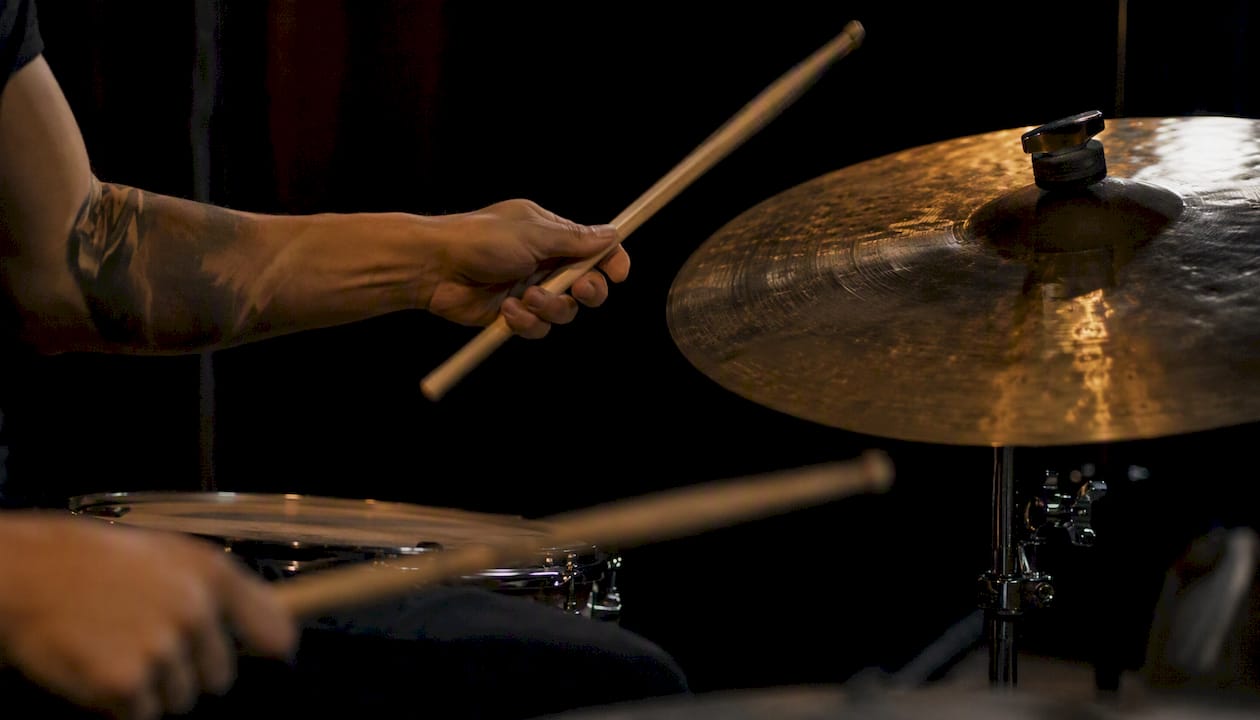
Hi-hats respond similarly. Maple gives you a crisper “chick” on closed hats and a more defined edge sound. Hickory opens up the hat a bit more on each stroke, which can sound great in funk but muddies a jazz brushwork context.
On the snare, hickory’s extra mass produces a louder, more projecting crack. Rimshots with hickory sticks are punchy and cut through a loud band. Maple rimshots are warmer and slightly less aggressive, which works well in studio settings where you want a controlled, even tone without a harsh transient.
Practical sound differences by surface:
- Ride cymbal: maple = defined ping; hickory = fuller wash
- Hi-hats: maple = crisp chick; hickory = slightly more open
- Snare: maple = warm crack; hickory = loud, projecting punch
- Toms: maple = lighter attack; hickory = more resonance and sustain
Pro Tip: When auditioning sticks in a store, tap the tip on a ride cymbal bell rather than the bow. The bell isolates tip definition and makes the wood’s character easier to hear. Hickory will sound rounder; maple will sound crisper and more cutting.
Which wood lasts longer, and how do they break?
Hickory outlasts maple under most playing conditions. Its denser grain resists the micro-fractures that accumulate from repeated hard impacts, particularly rimshots and cross-stick playing. Forum consensus among players consistently describes maple as breaking more cleanly (a sharp snap near the shoulder or tip), while hickory tends to splinter gradually or wear down at the shaft before it fully breaks.
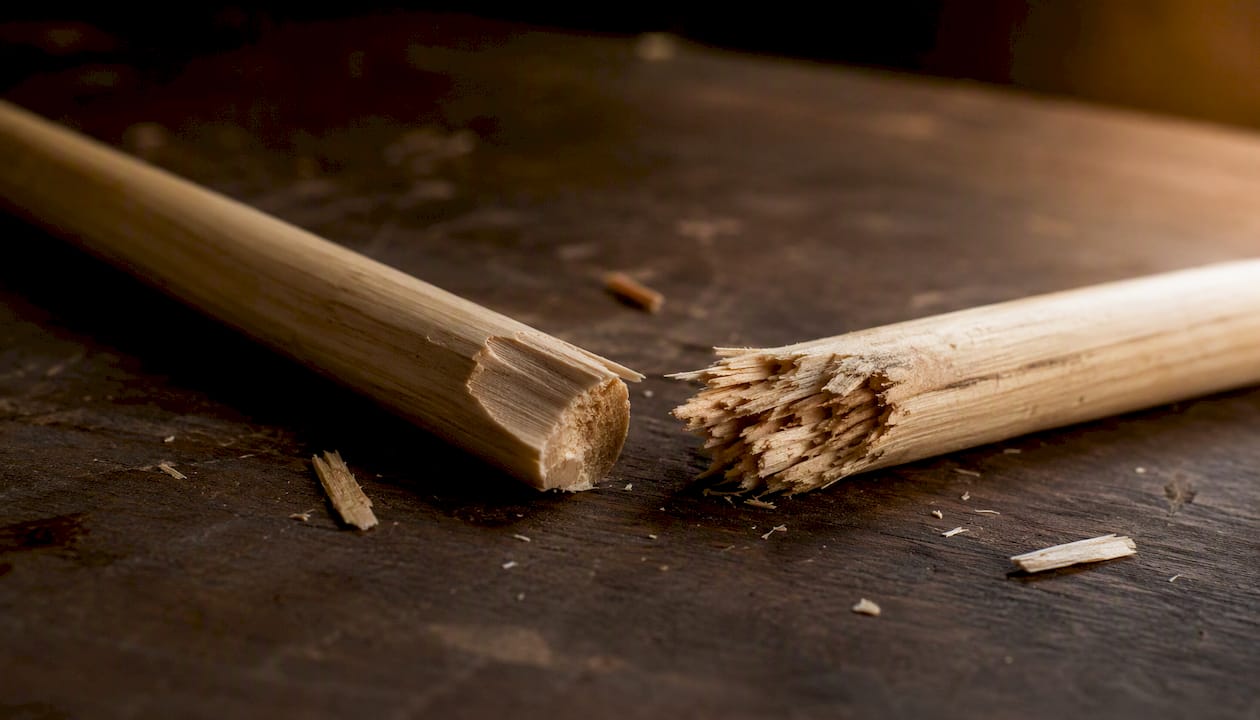
That distinction matters for safety as much as cost. A maple stick that snaps sends a clean piece flying. A hickory stick that splinters can leave jagged edges mid-session, which is worth knowing if you play hard and fast.
Oak sits above both in raw durability, outlasting hickory and maple in very high-volume settings. The catch is that oak transmits significantly more shock to the hands, which makes it a poor choice for long rehearsals or anyone with wrist or elbow sensitivity.
Practical durability rules of thumb:
- Heavy rimshot players: hickory holds up better; maple chips at the shoulder faster
- Jazz and low-volume players: maple’s lower durability is rarely noticeable because the playing intensity is lower
- Metal and hard rock drummers: consider hickory or oak; maple will need replacing more often
- Budget-conscious beginners: hickory gives more sticks per dollar over time
Which wood fits your genre and playing situation?
Genre is the fastest shortcut to the right wood. Manufacturers including D’Addario and ProMark frame it simply: hickory is the versatile all-rounder, maple is the lightest option for finesse playing, and oak is the densest choice for maximum durability.
Jazz and orchestral: Maple, almost always. The lighter weight and brighter cymbal articulation suit the dynamic range and the need for quiet, controlled playing. A maple 7A is a classic choice for jazz kit work.
Rock, pop, and country: Hickory is the standard. The fuller rebound and durability handle the volume and the consistent rimshot demands of these genres. Vic Firth, Vater, and ProMark all build their most popular rock sticks in hickory for exactly this reason.
Funk and R&B: Hickory again, though some funk drummers prefer a lighter maple 5A for ghost-note work. The choice often comes down to how loud the gig is.
Studio recording: Maple has an edge here. The controlled attack and warmer snare tone translate well to microphones, and the lighter feel helps with the precision that studio takes demand.
Practice and rehearsal: Either wood works, but hickory’s durability makes it the better value for daily pad and kit practice. If you’re working on speed and finesse, a maple stick on a practice pad can help you develop lighter technique.
Tip shape interacts with wood choice in every context. A nylon tip on a maple stick sharpens the cymbal articulation even further. A round wooden tip on hickory softens the attack slightly. Drumeo notes that tip shape and size affect sound as much as wood type in many situations, so treat them as part of the same decision.
How to test drumsticks before you buy
Testing sticks in person takes about five minutes and tells you more than any spec sheet.
- Roll the stick on a flat surface. A stick that wobbles has a warp. Put it back.
- Hold it at the balance point and bounce it. Hickory will feel slightly heavier and return with a controlled, deliberate rebound. Maple will feel lighter and spring back faster.
- Tap the tip on a hard surface or cymbal bell. Listen for the tone difference. Maple sounds crisper; hickory sounds rounder.
- Play a short groove on a snare or practice pad. After 60 seconds, check your grip. If your hand is tense, the stick is too heavy or the balance point is wrong for your grip style.
- Try a rimshot. Hickory will feel more solid and project more. Maple will feel lighter but slightly less punchy.
- Simulate fatigue. Play a fast single-stroke roll for 30 seconds, then check whether the stick still feels controlled. Retailers recommend this test specifically for beginners choosing between woods, because fatigue reveals grip problems that a short tap test misses.
Pro Tip: Buy a pair of each wood in the same size (a hickory 5A and a maple 5A) and play them back-to-back in the same session. The contrast is far more informative than reading about it. Most players know within one song which wood suits their hands.
Common myths about hickory and maple sticks, cleared up
Myth: “Maple is only for jazz drummers.” Wrong. Maple works in any genre where speed and low-to-medium volume are priorities. Studio drummers across rock and pop use maple regularly for its controlled attack.
Myth: “Hickory is always the best choice for beginners.” Mostly true, but not absolute. Hickory’s shock absorption and durability make it the safer starting point, but a beginner playing jazz or brushwork from day one is better served by maple.
Myth: “A heavier stick means more volume.” Mass helps, but technique matters more. A relaxed stroke with a hickory 5A will often be louder and more controlled than a tense stroke with a hickory 5B.
Myth: “Tip material doesn’t matter if you pick the right wood.” It does matter. A nylon tip changes the cymbal sound regardless of wood. Nylon gives a brighter, more defined ping; wood gives a warmer, more natural wash. Treat tip material as a separate variable.
Common confusions, quickly addressed:
- Density ≠ durability in a simple ratio. Oak is denser than hickory but also harsher on hands.
- A thicker diameter does not automatically mean a heavier stick if the wood is lighter.
- Hybrid materials (carbon fiber cores, composite tips) exist but behave differently from solid wood and are a separate category.
An experienced player’s honest take on the hickory vs maple question
The debate over hickory vs maple drumsticks gets more complicated than it needs to be. Most of the online discourse treats wood choice as a permanent identity decision, when it’s really just a tool selection based on what you’re doing that week.
Hickory for rehearsals and loud gigs. Maple for recording sessions and jazz nights. That’s the practical split for most working drummers, and it’s not more nuanced than that for the majority of situations. Where it gets interesting is at the edges: the rock drummer who discovers that a maple 5B gives them the speed they were missing, or the jazz player who finds that hickory’s warmer ride tone suits their trio better than the bright maple sound they assumed was mandatory.
The real mistake beginners make is buying one pair and deciding that’s the answer forever. Wood choice is worth revisiting as your technique develops. Templeofsound’s range of hickory and maple sticks across standard sizes makes it straightforward to try both without a large upfront commitment.
Where to find quality hickory and maple sticks
Choosing between woods is easier when you can compare them side by side rather than guessing from a spec sheet.

Templeofsound stocks quality hickory and maple drumsticks across the most common sizes, including 5A, 5B, and 7A, with options suited to beginners through working professionals. Whether you want the all-around durability of hickory or the lighter, faster feel of maple, the range covers both without pushing you toward one over the other. Visit Templeofsound to browse the current stick selection, get sizing guidance, or explore membership options that make stocking up on your preferred wood more affordable over time.
Sources
The claims in this article draw on manufacturer documentation, retail guidance, and player experience from the following sources:
- Choosing the Right Drumsticks
- Drumstick Wood Types - Topics
- What is the difference between hickory, oak, and maple drumsticks? – D’Addario
- Best wood for drumsticks